Track what actually comes up
I kept a running list of phrases I needed in cafes, on transit, and in quick daily interactions.
About Jjin
Jjin started as a personal fix. I wanted to stop freezing in everyday Korean moments and start responding with more confidence.
The apps I tried felt broad, game-like, or too classroom-first. They did not match the pressure of real conversations, so I built the one I wanted to use every day.



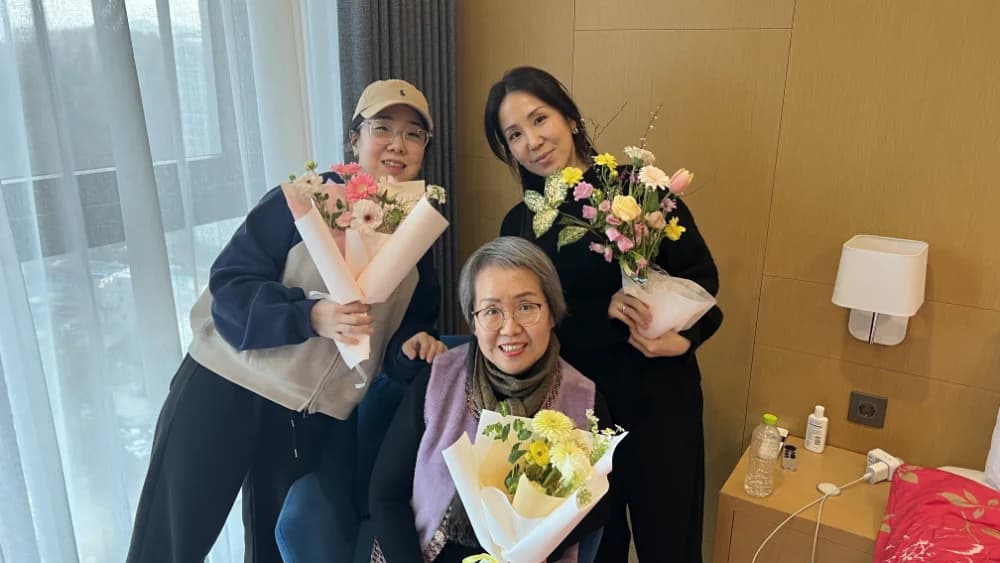
What was missing
Most apps gave me points and streaks. I needed phrases I could actually use when I was moving fast, listening hard, and trying to connect.
Field-tested in Korea
I spent a month in Korea tracking the phrases that came up over and over, where hesitation happened, and what was actually useful. That cut the filler and sharpened the app around practical listening and speaking confidence.
I kept a running list of phrases I needed in cafes, on transit, and in quick daily interactions.
Fast conversations break confidence first. Listening loops became the core of the app.
Every lesson is mapped to situations that happen often, not topics that only look complete on paper.
Built in real life
These are not abstract lesson themes. They are the interactions that kept repeating, so they became the foundation of Jjin.

Restaurant
menyu juseyo
메뉴 주세요
Menu, please
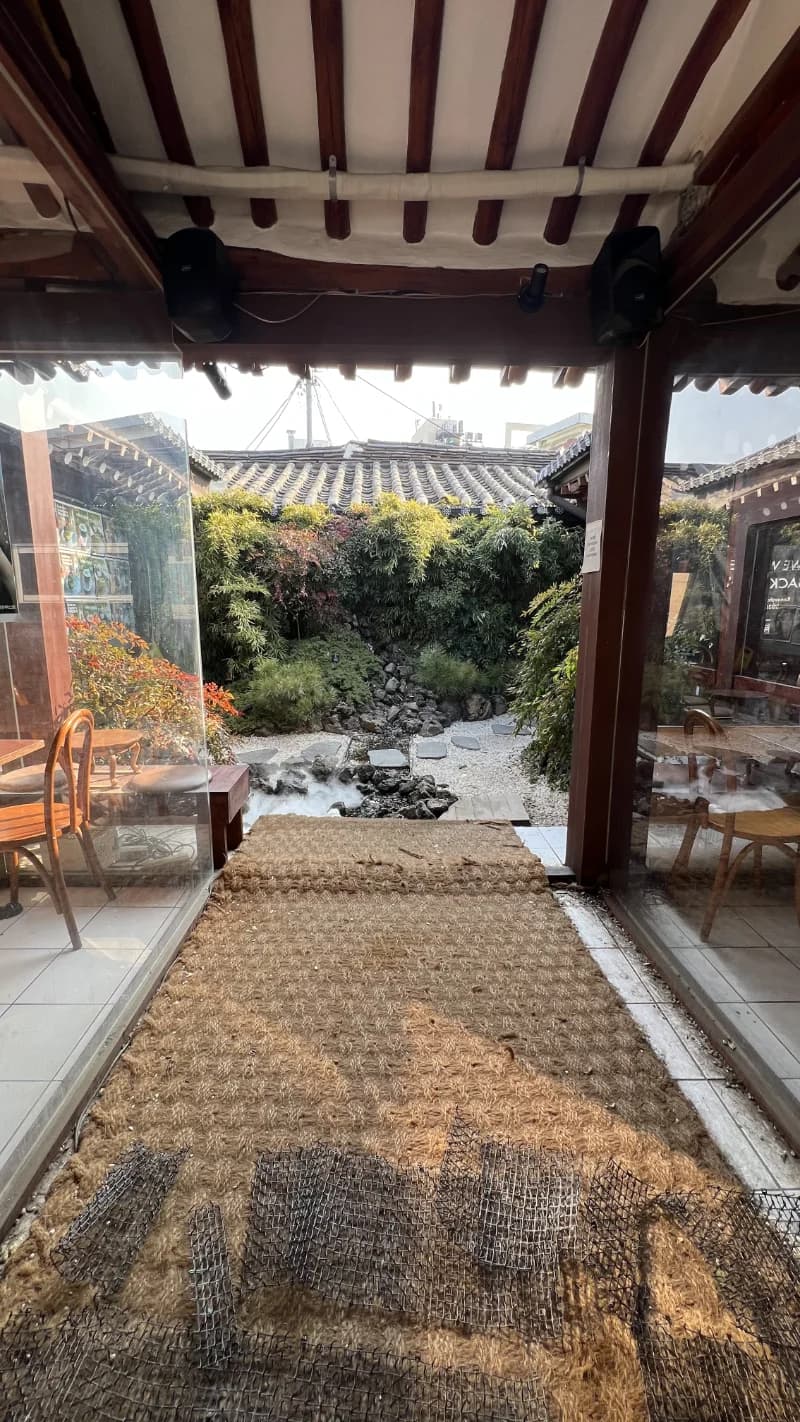
Cafe
pojanghae juseyo
포장해 주세요
To go please
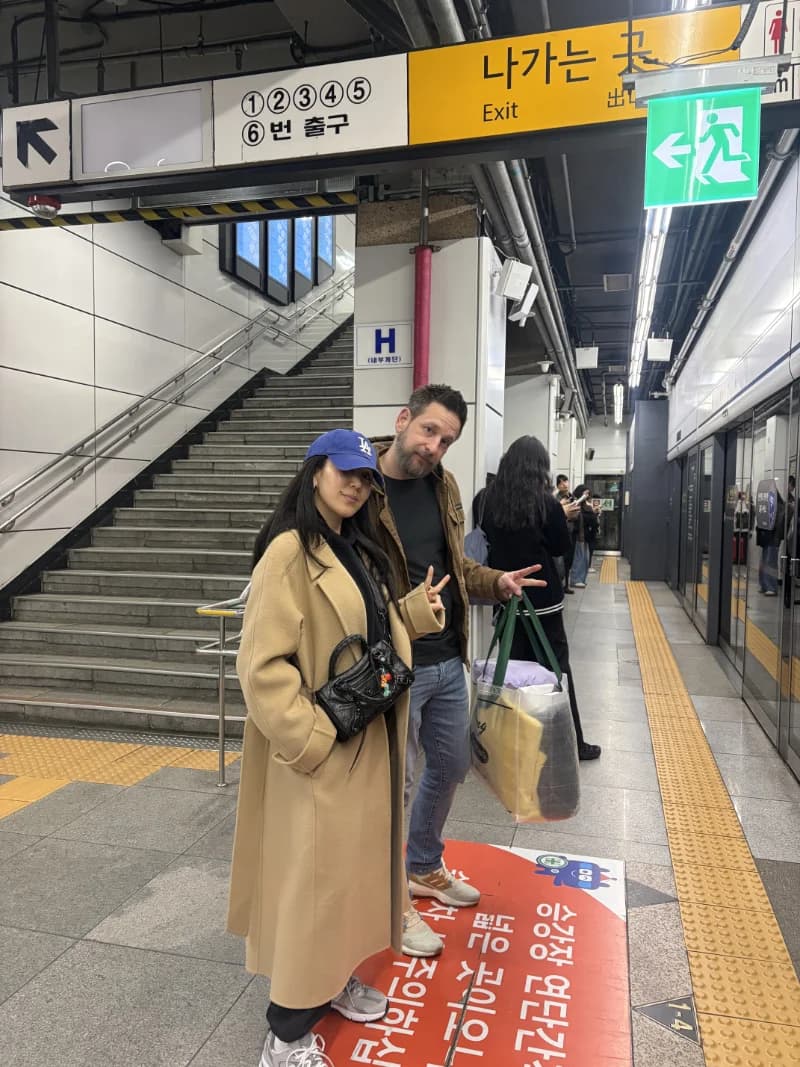
Transit
eodieseo tayo?
어디에서 타요?
Where do I board?

Hotel
yeogwon
여권
Passport
Why this works
Jjin is intentionally focused. It is for practical phrases, listening-first practice, and confidence in everyday situations. That narrow scope is the point, and it keeps the app honest.
Listen
Hear Korean before you need to answer
Repeat
Practice phrases you can actually use
Learn
Build recall through short review loops


Founder note
I am building Jjin for the same reason I started it: to feel more connected in Korea, not more academic. If that is what you want too, this app was made for you.